
It’s easy to believe that better medical imaging simply is producing more detailed images. In actuality, radiology has a greater purpose than it appears. It’s important to ask whether the examination provides appropriate information for a particular medical situation.
If a patient is assessed for breast or prostate issue The diagnostic questions for each patient are different. Modern radiology doesn’t depend on a single scanner for all situations however, instead it employs technique of range imaging to tackle the differences.
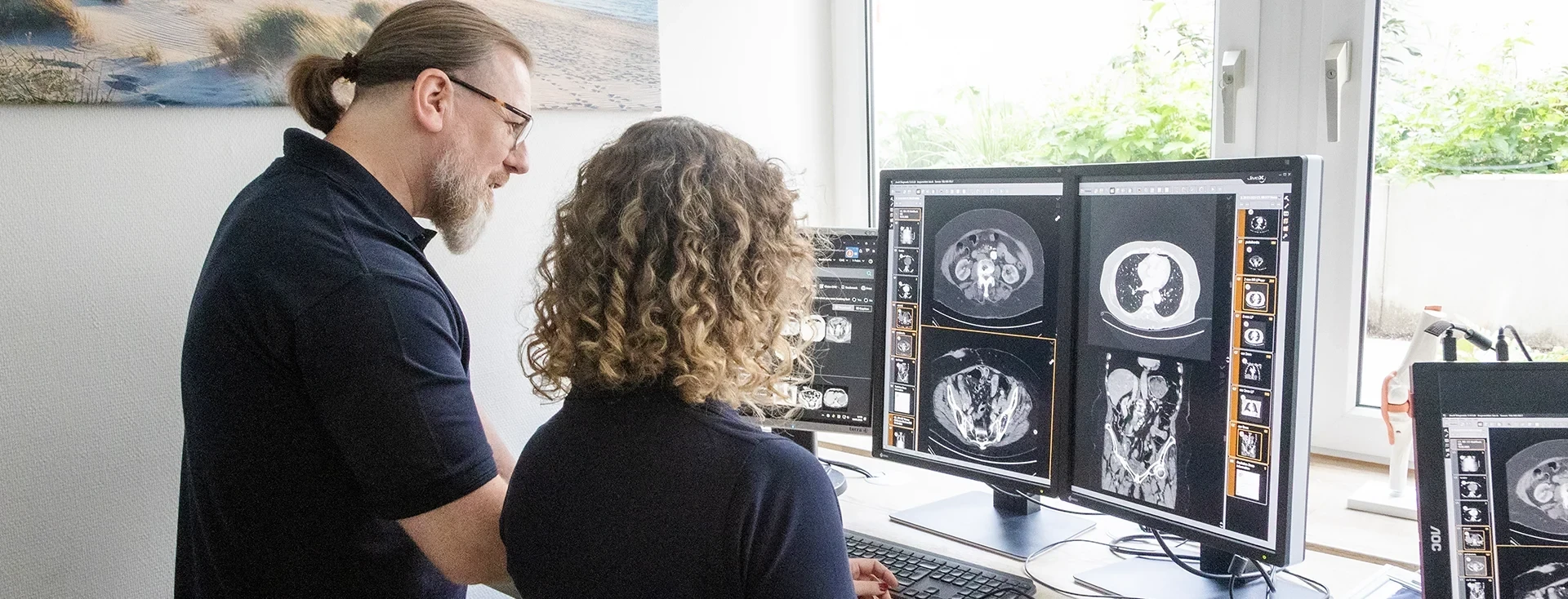
Image credit: diagnostikzentrum-wolfsburg.de
The private consultation offered at the Wolfsburg Diagnostic Center gives patients access to many imaging and diagnostic services within one radiology clinic.
Different Parts of The Body Show Theirself Differently
Using various imaging techniques, the bones, soft tissues organs, joints, organs and other structures do not appear exactly the identical way.
Magnetic resonance imaging can be particularly beneficial when a precise visualization of the various soft tissue structures is required. The Wolfsburg Diagnostic Center operates two modern 1.5 Tesla MRI scanners and is able to examine areas like the spine, brain internal organs, joints and soft tissues.
MRI is an non-radiation type of X image. The center also provides more focused exams, such as prostate MRI and whole-body MRI as long as it is medically permissible.
It is crucial to keep in mind that the term “MRI” refers to the technology, isn’t the same as the question being asked by a patient.
CT Offers a Different Kind of Points of View
CT plays a unique role in diagnostic medicine. CT uses X radio waves to create precise cross-sectional body images. Low-dose technology is employed at the Wolfsburg Diagnosis Center to lower radiation levels while preserving image quality. For more information, click here privat MRT
The specific clinical scenario will determine the most suitable imaging technique. A more advanced sounding doesn’t automatically suggest more appropriate.
Digital X-Rays Remain Relevant
MRI and CT are receiving a lot of interest. Conventional Xrays can seem outdated. The digital X ray of today tells an entirely different story.
Digital systems are still a reliable way to examine the skeletal system. Contemporary equipment combines high-resolution imaging along with techniques that aim to reduce radiation exposure.
Apart from replacing the methods that were previously employed modern technology has expanded the options for radiologists.
Breast Imaging Provides Value A Focused Method
Breast diagnostics is yet another instance of a specialized image. The center offers mammography which includes 3D mammography and tomosynthesis, as well as breast ultrasonography. These technologies may provide a variety of types of information based on the specific patient’s medical condition.
Radiology is not an anomaly. To be able to utilize imaging effectively, you must first understand what needs investigation.
Imaging can help guide the treatment
The scope of radiology isn’t only limited to identifying or observing abnormalities. The Wolfsburg Diagnostic Center offers CT-guided Periradicular Therapy (PRT) which is a procedure where CT imaging can be used to guide the procedure. Another option for treatment is low dose radiation therapy.
These examples demonstrate the ways in which imaging technology can go beyond observation and play a role in precisely directing medical treatment.
Asking a focused question with accuracy
Modern diagnostic centers are not only defined by its quantity of equipment. The quality of a diagnostic center is also determined by the utilization of the appropriate technology for the specific medical need that is well-defined and skilled specialists who interpret the images.
Private consultation hours are available in Wolfsburg Patients are able to access a wide spectrum of radiological examinations along with specialist medical care and straight discussion of their findings.
It’s not only about creating more images. The aim is to produce valuable clinical data that can assist patients and doctors better understand the medical issue in the process of being researched.