
The month is finished. The sales were decent, the P&L was profitable and there was nothing to be seriously in error.
Check the restaurant’s bank account.
The number isn’t what you expected.
Restaurant owners might find this disconnect frustrating as they believe cash flow and profits ought to be identical. These two things don’t match together. A P&L examines the financial performance of a company over time in time, whereas the bank account represents the time frame of money moving in and out of the business.
Understanding the difference will alter how a restaurant’s owner views their finances.
Consider what happens during an normal week. The customers pay for food. Employers must be paid. Food and drinks deliveries arrive with invoices. Rent is on the way. Deposits made with credit cards are subject to their own timetable. Sales tax is an obligation.
The next week’s buying has already begun.
Concentrating on revenue or the final profit figure does not take into account a lot of the activity.
The Key to the Mystery Could Be Hidden in the Prime Cost
Food, drink and labour costs are worth taking a closer look when restaurant profitability starts to fall.
Prime cost is composed from both products and labor. The Bookkeeping Chef’s guidance puts prime cost at roughly 60%-65 percent of the revenue for many restaurants, focusing on regular monitoring instead of waiting until the final day of the month.
It is more important for you to recognize changes early than obsessing about an exact percentage.
Suppose that normally the restaurant does well, but this week, there’s more of a percentage. Perhaps the overtime rate increased. Perhaps beverage costs were steady however food costs increased. An increase in the percentage of food items could cause the manager to look at buying, waste, menu mix portions or vendor invoices.
The percentage raises a question. The activities that underlie the restaurant provide the answer.
This conversation is possible because everyone is able to recall what happened.
After two or three weeks, it gets more difficult to reconstruct the details.
When the vendor bills arrive
Restaurants may buy ingredients in one week, and then make payments the following week. This is a way to explain the reason why profit alone isn’t enough to answer every cash question.
Invoices from vendors have to be received, tracked and paid. In a business that has numerous suppliers, doing that manually can turn into an administrative burden.
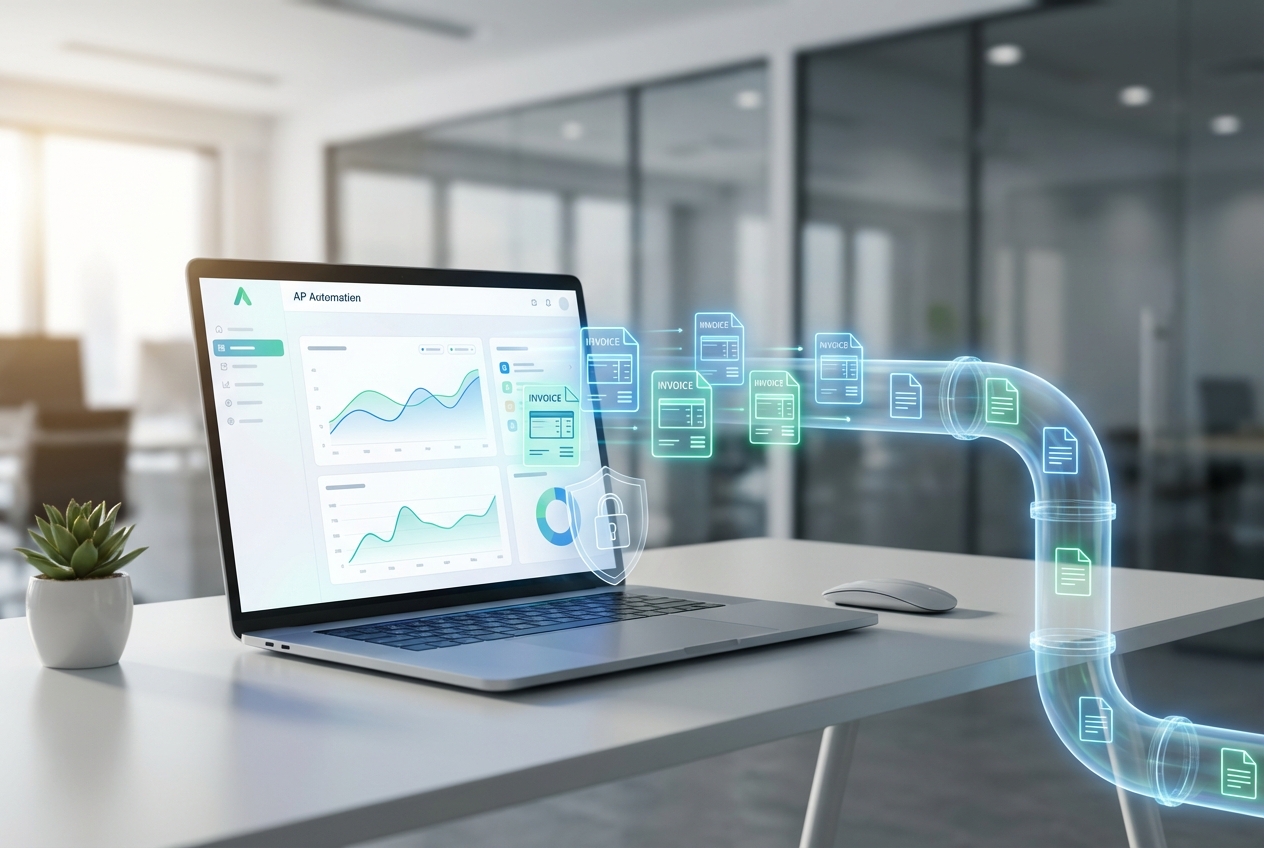
Accounts payable automation helps organize this process by reducing repetitive handling of bills and payment information. The owner can get more precise information about the obligations that haven t hit their bank account by using automated bookkeeping systems that are connected.
It’s beneficial because, when taken as a whole the restaurant’s financial position may appear to be healthier than its actual financial position.
The current balance could be $80,000 on the account. The figure of $80,000 is tiny if rental, vendors or payroll make an enormous amount over the coming days.
This is what leads to cash flow forecasting.
What happens to our cash once we’ve received the amount we’ve hoped for and have fulfilled all of our obligations?
It is vital to recognize the difference before deciding if this week is a good opportunity to replace equipment, buy more items or preserve liquid funds.
A portion of the Cash Was Never Yours
The sales tax illustrates this in particular.
Restaurants take money from their clients, which they be able to manage in accordance with their tax obligations. If the money is mentally placed in the same category as operating cash, the balance of the bank could create a false impression of what’s available to spend.
A consistent record helps restaurants stay in compliance with sales tax regulations while also providing the managers a clear picture of their finances.
Accounting for restaurants is more efficient when the financial obligations of each restaurant are not separated.
Prime cost affects margin. COGS (cost of products sold) and future payments are affected by the purchases from vendors. Payroll can affect both the percentage of labor and cash. Taxes on sales affect cash availability. The P&L records financial performance, while forecasting aids management in looking ahead.
Connect the pieces.
Bookkeeping Chef utilizes restaurant-specific reporting as well as system integrations to integrate these pieces. Outsourced bookkeeping can help operators who do not want to work all night reconciling their financial records.
It’s the very last one that is important.
It’s not the intention of restaurant owners to cease checking their books because somebody else does. Owners must be provided with information which will allow them to know what’s going on.
Don’t believe that the P&L is correct if your bank account seems tight but the P&L confirms that the restaurant earned money.
Ask them about what transpired between them.
This one question could teach you more about your restaurant than any other number could on its own.