
The world of business is witnessing a paradigm shift in which speed, flexibility and efficiency are not optional but are necessary. Traditional infrastructures are often slow and expensive to modify and fails to provide the demands of real-time information and distributed operations. ScalerPi offers a new perspective on the subject by combining edge computing and the practical aspects of engineering. This enables solutions that scale.
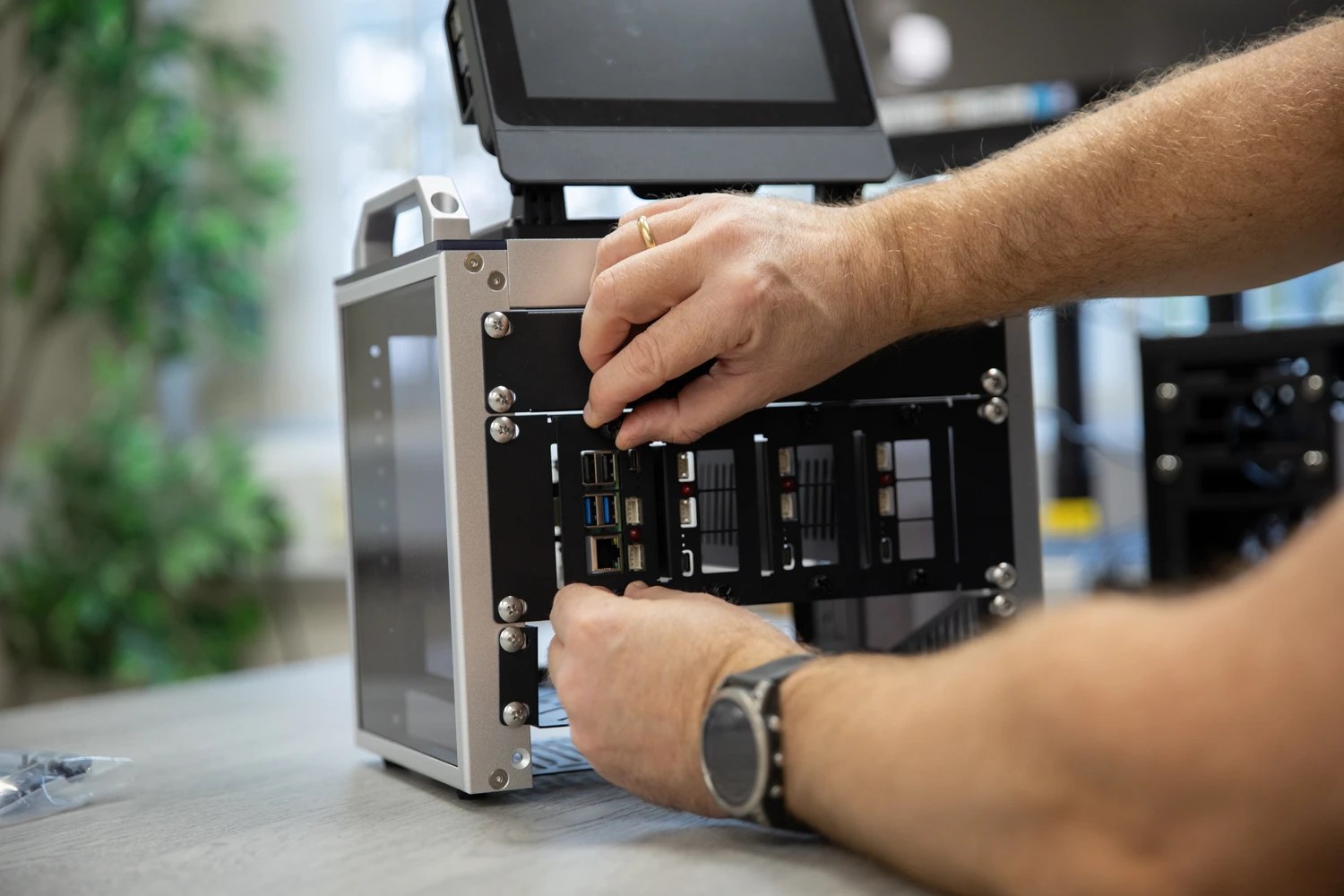
At the core of this evolution is industrial automation using Raspberry Pi, which enables organizations to rethink how they build and manage systems. Instead of relying on centralized, bulky hardware, companies can now implement lightweight but powerful devices that work directly on the spot where data is created. This approach not only decreases the speed of data transfer, but allows teams to adapt instantly to changing conditions.
Data-driven Action at the Edge
The main benefit of edge computing lies in the ability to process data locally. Waiting for cloud-based solutions to respond in many industrial environments is not practical. ScalerPi helps with this by offering infrastructure that operates independently yet is able to integrate with broader systems when required.
The most important component of this setup is the industrial Raspberry Pi IoT gateway, which acts as the central connection point between devices and applications. It facilitates seamless communication between sensors, machinery, and software platforms, making sure that data flows safely and efficiently. This allows users to monitor the operation in real-time, detect problems early, and ensure the same performance across different locations.
This ability has a transformative impact on the industries of logistical and environmental monitoring. Systems are able to continue operating even in low-connectivity or remote areas, assuring that operations continue in full swing and data is always accessible.
Compact Power for Demanding Environments
One of the biggest issues in industrial computing is balancing efficiency and practicality. Large servers may offer energy, but they usually have high prices, energy consumption, and limited flexibility. ScalerPi solves this issue by offering an industrial Raspberry Pi server that provide efficient computing in a energy-efficient compact design.
The servers were developed to operate in real-world conditions where power and space are very limited. Whatever the situation, whether they’re deployed in a manufacturing facility or a retail outlet, or even a remote monitoring station, they will provide steady performance, removing the need for an extensive infrastructure. Modularity allows companies to expand their systems slowly, depending on the actual needs.
The industrial-sized Raspberry Pi module server takes this concept one step further and provides greater flexibility. Built for demanding conditions These servers offer durability and advanced processing capabilities. These servers are great for applications that must operate continuously, such as smart city systems or industrial automation systems.
Flexible Deployment Through Containerized Delivery
Modern infrastructures must be flexible, and containerization can help. ScalerPi incorporates industrial Raspberry Pi docker environments to enable flexible and efficient management of applications. Docker lets companies launch, upgrade and scale applications quickly without disrupting their existing operations.
This makes it easier to develop the process and ensures uniformity across different deployments. Applications can be tested in a single environment and easily transferred into another, minimizing the chance of making mistakes and improving overall reliability. This degree of control which is essential for organizations with multiple locations is extremely important.
Containerization is also a method for development. Teams can play around with features and services without affecting the existing system. This makes it easier to keep at the top of their game.
Practical Solutions in Multiple Sectors
ScalerPi’s biggest strength is its ability to adapt to various industries. Industrial automation with Raspberry Pi is a great way to increase productivity and decrease downtime in manufacturing. Machines can communicate and exchange data, creating an intelligent and connected production environment.
In agriculture, edge solutions support smarter farming methods. Sensors monitor the weather conditions, soil conditions and even the health of the crop, helping farmers make informed decisions that boost yields and preserve resources.
Real-time information about customer behavior is beneficial for hospitality and retail industries. Businesses can improve the customer experience by optimizing their operations. This is a case of digital signage as well as queue management. Edge infrastructure is utilized in public sector projects, such as smart cities to monitor the environment and asset management.
Bridge Hardware and Cloud Confidently
What distinguishes ScalerPi is the ability it has to bridge the gap between physical devices as well as cloud-based systems. It creates an unified platform that combines hardware expertise with the latest cloud technology.
This allows companies to grow without difficulty. Even if you’re beginning with a small number of devices or expanding to thousands of devices, your infrastructure will remain secure, manageable and cost effective. The transparent pricing system and modular design make the process easier that allows companies to focus on innovation instead of operational problems.
Industrial Technology for the Future
The need for an efficient and adaptable infrastructure will continue to increase as industries evolve. ScalerPi is a solution which meets these demands by merging the power of edge computing with the versatility of Raspberry Pi technology.
From industrial Raspberry Pi servers to advanced IoT gateways and containerized apps Every component is created to be scalable and designed with real-world functionality in mind. This results in an infrastructure which not only meets modern requirements but also prepares businesses for the challenges to come.